
"Ethiopia coffee market"
6000 article(s) found
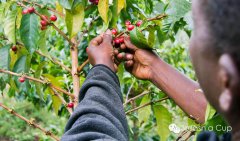
Yega Schiffe native species Woka Worka Manor Ethiopia Yega Sheffield grade G1
In fact, according to Ms. Knudsen, people started drinking fine coffee, but later, due to the growing demand for coffee, the discovery and use of new coffee varieties led to the decline of coffee quality. later, people even began to dislike this bad coffee and began to turn to other drinks. In this case, Ms. Knudsen's re-recognition

Description of planting history and flavor of single bean coffee bean planting information in Shaqisuo producing area
For the exchange of professional baristas, please pay attention to the coffee workshop (Wechat official account cafe_style) Yegashafi, Ethiopia, Africa is close to the famous Kaffa forest, the whole region is a wild coffee forest, there are many and numerous coffee varieties, at least 1000 kinds of coffee, scholars and experts recognize that the birthplace of Arabica varieties is also a global treasure house of coffee genes. Commonly known as Ethiopia Yejia Sheffield.
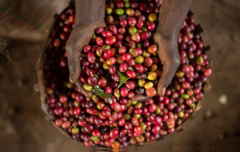
A brief introduction to the Market Price of Essex Sun Yega Sheffield G1 Jetipwauka Fine Coffee Bean
Variety: local native seed processing plant: Woka flavor: peach, strawberry, cantaloupe, pineapple juice Yega Xuefei, Ethiopian boutique coffee producing area, Yega means to settle down, Sheffield means wetland, Yega Xuefei means to let us settle down in this wetland. Xidamoye Garshefi is a small town in Ethiopia, 1700-2100 meters above sea level, located in the west.

Introduction to the description of varieties and flavors in Ethiopian Coffee Manor with rich texture
The coffee market regulatory body in Ethiopia is the Ethiopian Coffee and Tea products Administration. There are two auction centers in the country, one in the capital Addis Ababa (Addis Ababa) and the other in Dire Dawa in eastern Ethiopia. Coffee growers bring fresh fruit or to private coffee processing plants or cooperative coffee washing stations

Sidamo Coffee Flavor description Candle Coffee Flavor description
Sidamo Coffee Flavor description Coffee is Ethiopia's most important export cash crop and a major source of foreign exchange earnings. Ethiopia's coffee exports account for about 3% of the world market, making it the eighth largest coffee exporter in the world. Coffee exports increased steadily from 58000 tons in 1990 to 110 tons in 1995-1996.

Introduction to the method of texture treatment of Ethiopian Coffee Flavor and Grinding degree
On coffee farms, high quality assurance is reflected in the timely and strict selection of mature and reddest coffee fruits. Picked coffee needs to be protected from direct sunlight, and the picked fruit is concentrated in a bamboo basket to avoid contact with the soil. The picked fruit is washed in clean water and preserved under water to improve the flavor and color of coffee beans. Processing
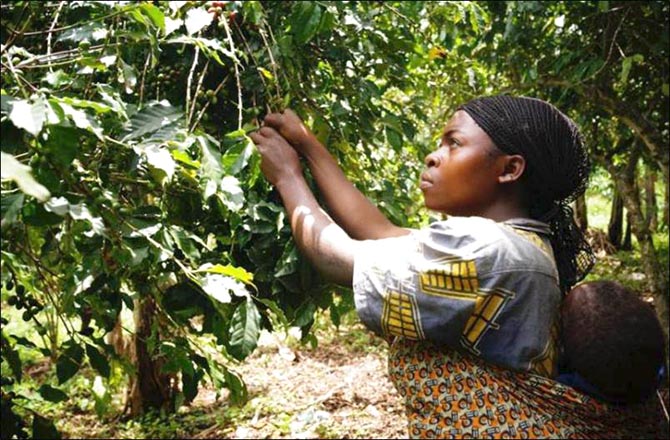
Ethiopia's organic potential stock! The Guji producing area that is not inferior to Yega Xuefei.
For the exchange of professional baristas, please follow the coffee workshop (Wechat official account cafe_style). Before, we introduced Ethiopia's Yega Snow Coffee. Because of its special floral aroma and lemon and citrus flavors, it has become a target for international boutique coffee fans, which in turn has led to the increase of Ethiopia's domestic demand market. Under the circumstances that everyone is rushing to get it, the price of Yega Chevy can be imagined.

A brief introduction to the fresh and bright Ethiopian sun Yega Shifeiwaka coffee variety planting market price
As the hometown of coffee, thousands of years of planting history and processing tradition in Ethiopia have created high-quality washed Arabica beans. Light baking has unique sweet aromas of lemon, flowers and honey, soft acidity and citrus flavors, fresh and bright on the palate. No milk or sugar, let the rich texture and unique soft scent of flowers brush your taste buds, leaving an endless aftertaste

Ethiopian Coffee accounts for 9% of the Japanese coffee market the heyday of African coffee beans
Recently, the Ethiopian Foreign Ministry said that Ethiopian coffee accounted for 9% of the Japanese coffee market in 2006. The top three coffee markets in Japan are Brazil, Colombia and Indonesia, with market shares of 28 per cent, 20 per cent and 15 per cent, respectively. Compared with 2005, the amount of coffee exported by Ethiopia to the Japanese market increased by 27.2% in 2006, and the transaction volume increased by 28%. The export volume in 2005 was 7. 5%

Flavor characteristics of Ethiopian Coffee introduction of Ethiopian coffee
Ethiopia produces a lot of coffee is a coffee-producing country, where coffee with a natural climate produced coffee is very good birthplace of coffee-Ethiopia. The coffee tree originated in Ethiopia, which was originally a wild plant here, and the name coffee comes from the Ethiopian town of Kaffa. In fact, Ethiopia allows

Boutique coffee common sense Ethiopian coffee
The coffee tree originated in Ethiopia, which was originally a wild plant here, and the name coffee comes from the Ethiopian town of Kaffa. Humans may have known how to grow coffee trees as early as the 9th century. Coffee producing area in Ethiopia: many coffee trees in Ethiopia are still wild plants, and the coffee grown on this coffee tree is full of grains.

Ethiopian Coffee Bean Story Coffee taboo Historical characteristics Flavor description treatment
According to the flavor description of Ethiopian coffee beans, Getachew Mengistie, director of the Ethiopian Bureau of intellectual property, bluntly pointed out that farmers sell raw beans for $1.45 per pound, while Starbucks sells for $26 per pound in the United States, 18 times the price difference between the two places. The reason is that Ethiopia does not know to use intellectual property rights to create value for farmers, as long as it produces Ethiopian high-quality products.

Ethiopian coffee beans are the most popular coffee beans in Ethiopia.
Ethiopia can find a variety of coffee cultivation methods: from wild coffee groves and semi-developed land, to small plots of traditional management, to modern plantations. About 50 percent of coffee is grown at altitudes of more than 1500 meters. Harrar coffee is the highest coffee grown in Ethiopia. Hara coffee can be divided into long coffee
Exquisite Ethiopian coffee beans Starbucks Ethiopian coffee
Ethiopia has unique natural conditions suitable for growing all imaginable varieties of coffee. As a upland crop, Ethiopian coffee beans are mainly grown in areas between 1100 and 2300 meters above sea level, roughly distributed in southern Ethiopia. Deep soil, well drained soil, weakly acidic soil, laterite and soil are soft and contain

A brief introduction to the cultivation of Ethiopian boutique coffee beans with multi-level taste, geographical location, climate and altitude
Even the official research unit of Ethiopia does not know how many Arabica subspecies there are in Ethiopia. The coffee cooperatives in this mountain are certainly different from those planted in another mountain, and even small farmers in the same region grow different varieties of coffee. Like the little Jasper of Suzhou, although she is petite, she is gentle and delicate, sweet and lovely, and can attract ten thousand without any decoration.

A brief introduction to the treatment method of grinding degree and baking degree of aromatic high-quality Ethiopian coffee beans
Ethiopia finally woke up and decided to learn from the skills of Western developed countries in mastering brands and creating value for the benefit of hard-working farmers, so in March 2005, Ethiopia applied to the United States Patent and Trademark Administration for the trademark rights of three famous places of origin, namely, Sidamo, Yega Xuefei and Harald. In the future, American operators must be authorized by Ethiopia to sell boutique coffee in these three places.

A brief introduction to the treatment method of grinding degree and baking degree of Ethiopian boutique coffee beans
Even the official research unit of Ethiopia does not know how many Arabica subspecies there are in Ethiopia. The coffee cooperatives in this mountain are certainly different from those planted in another mountain, and even small farmers in the same region grow different varieties of coffee. Like the little Jasper of Suzhou, although she is petite, she is gentle and delicate, sweet and lovely, and can attract ten thousand without any decoration.
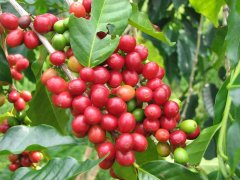
The coffee harvest in Ethiopia was snapped up by the Lion King in Xidamo, the Guji producing area in the big year.
Professional barista exchanges please follow the coffee workshop (Wechat official account cafe_style) Ethiopia Sidamo Valley Lion King Solar G1 when the Lion King of raw bean merchant B listed on the market, many stores were attracted by its strong fruit tone, which caused a wave of rush buying. When it was released two months ago, it was already heard that today.

A brief introduction to the Flavor, Taste and aroma characteristics of Fine Ethiopian Coffee beans
Ethiopia grows coffee in different climatic zones, so it has more than 140 farm varieties, and fresh coffee is produced all the year round. The quality of Ethiopian coffee varies according to different elevations and regional ecological environment. The Harar coffee in the southeast highland is a typical Muha coffee with a strong flavor; the coffee produced in the southwest Wollega has a rich fruity flavor; Limu coffee

A brief introduction to the cultivation of aromatic Ethiopian boutique coffee beans, geographical location, climate and altitude
Although the Ethiopian Yirgacheffe coffee is petite, it is gentle and delicate and sweet. As the hometown of coffee, thousands of years of planting history and processing tradition in Ethiopia have created high-quality washed Arabica beans. Light baking has unique sweet aromas of lemon, flowers and honey, soft acidity and citrus flavors, fresh and bright on the palate. No.